Details to Compare Before You Book a Desert Safari in Dubai
A desert safari can look simple from the outside: a vehicle, a stretch of sand, and a few hours away from the city. In practice, the experience varies a lot. The time of day, the route, the vehicle type, the group size, and the pace all shape how the trip feels. Before you book, it helps to compare the small details that are easy to miss while scrolling through photos.
Think of the booking as a set of practical choices. Some travelers want a calm ride and wide views. Others want a lively outing with plenty of stops and activities. Neither choice is wrong, but they are not the same day out. The aim is to match the trip to the people going, especially if children, older relatives, or anyone sensitive to heat or motion are joining.
Timing and the shape of the day
Start with the hours. Morning trips tend to feel cooler and quieter, with clearer light for photos and more open sand. Late afternoon and evening trips often include the changing colours of the desert and may run into dinner or entertainment. A longer outing is not always better. A packed schedule can feel tiring, especially for first timers who are still getting used to the heat and the movement over dunes.
Ask what the day actually includes from start to finish. Pickup and drop-off times matter as much as the time spent in the desert. If the timings are vague, request a clear outline before paying. A useful itinerary should tell you when you leave, where you stop, how long each stop lasts, and roughly when you return. That makes it easier to plan meals, prayer times, naps, and other plans around the trip.
Vehicle type and riding style
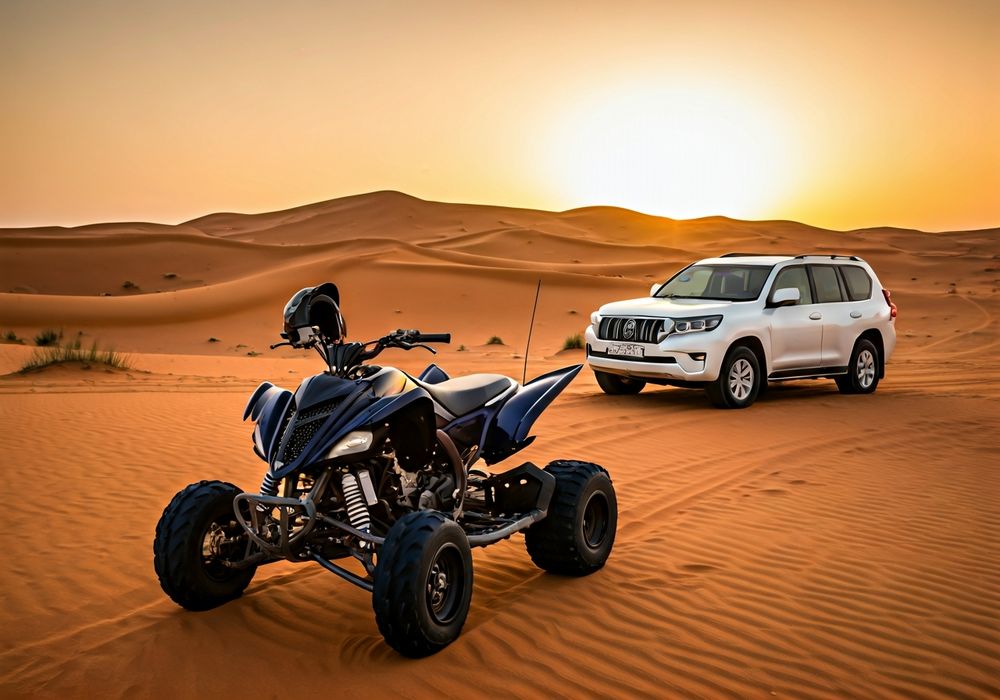
Desert driving is part of the appeal for many visitors, but the term safari covers different styles. A shared vehicle can feel social and may suit people who enjoy meeting others. A private vehicle offers more control over pace, stops, and comfort. The vehicle type also affects the ride. Some trips focus on gentle dune driving, while others include sharper turns and steep angles. If you are prone to motion sickness, say so before booking and choose a calmer style.
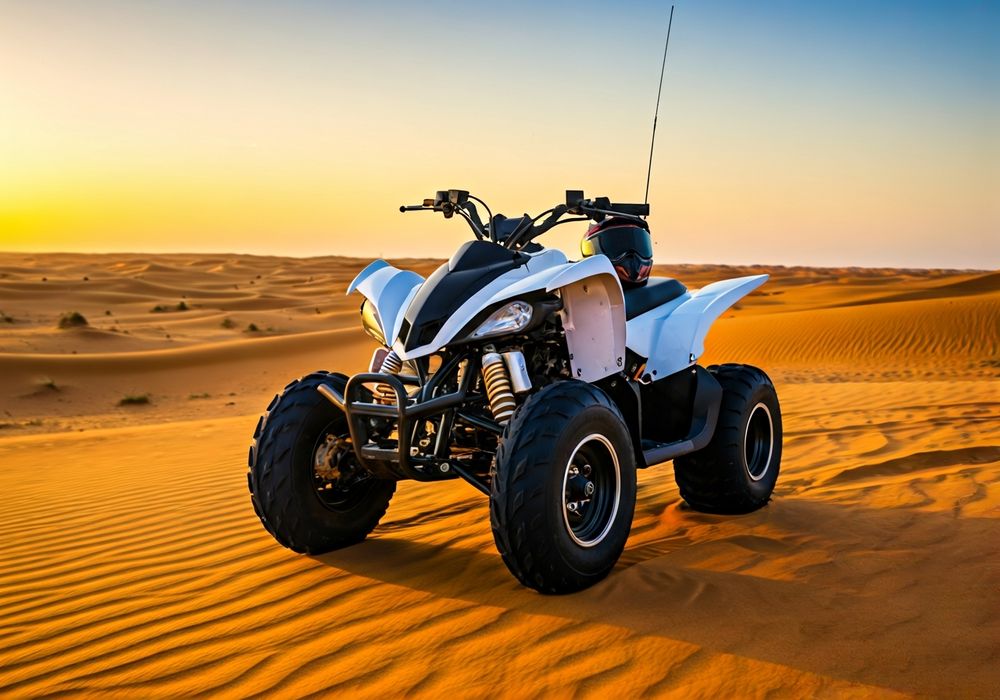
Seating is another detail worth checking. Ask whether seat belts are available and used, and whether children need their own seats. Confirm that everyone in the group has a proper seat rather than sitting on a lap. A responsible operator will treat these as normal questions. If answers feel rushed or unclear, take that as a signal to keep comparing options.
What is included, and what is not
Many desert outings are advertised as complete packages, yet the details can differ. Food, drinks, entertainment, photography stops, camel rides, sandboarding, and entry to any site should be spelled out. Some items may be optional. Others may depend on weather, group size, or timing. Knowing this in advance prevents awkward moments later and helps you set expectations with children or guests.
Camel Desert Safari Dubai is one phrase you may see while comparing desert trips, but the useful question is always what the booking includes. Look for plain wording rather than broad promises. If a listing says dinner is included, check the style of meal and whether drinks are separate. If it mentions entertainment, ask what form that takes and whether it runs every day. Clear answers make it easier to judge value without relying on glossy photos.
- Food and drinks: Check the meal style, the number of courses, and whether water, tea, coffee, or soft drinks are included.
- Activities: Ask which activities are planned, which are optional, and which may be skipped in poor weather.
- Entertainment: Confirm what is scheduled and whether the style suits your group.
- Photos: Find out whether photo stops are part of the route and whether any images are taken by the operator.
- Extra costs: Ask which items are not included, so nothing comes as a surprise on the day.
Comfort, clothing, and desert conditions
The desert changes quickly through the day. Sun, wind, sand, and cooler evening air can all be part of the same outing. Lightweight, loose clothing usually works better than tight layers. A hat and eye protection can help with glare, while a light layer is useful after sunset. Closed shoes are often more practical than open sandals when walking on sand or near vehicles.
Heat deserves serious attention. Visitors who are not used to dry climates may underestimate how much water they need. Check whether water is provided, and carry extra if you have concerns. If anyone in the group has a medical condition, heat sensitivity, or mobility limits, raise it before booking. A good plan should account for comfort rather than treating every traveler as the same.
Sand can get into bags, cameras, and phones. A simple zip pouch or sealed bag can keep small items clean. Fine sand also makes phone screens and camera lenses harder to use, so keep gear covered when it is not in use. These small habits protect belongings without adding much to your bag.
Group size and privacy
Group size changes the mood of a trip. A smaller group often feels calmer and allows more time at each stop. A larger group can be lively and social, but it may mean waiting for others or sharing space during meals and activities. If privacy matters, look for a private arrangement rather than hoping a shared outing will be quiet.
It is also worth asking how mixed the group may be and whether the schedule allows space for different pace levels. Families with young children may prefer shorter stops and a clear structure. Couples may want a quieter route and fewer crowded moments. Friends traveling together may enjoy a busier plan. The right fit depends on the people, not just the itinerary.
Safety basics that should not be skipped
Safety is not the most glamorous part of planning, but it is one of the most useful. Before booking, check that the operator explains seat use, vehicle conduct, and what travelers should do during stops. Listen for clear instructions rather than jokes or vague assurances. During the ride, follow the guidance given in the vehicle, keep hands and arms inside, and stay seated unless told otherwise.
If someone feels unwell, say something early. Dizziness, nausea, headache, and unusual tiredness are signs to take seriously. Stopping for water, shade, or fresh air can make a difference. Anyone with ongoing symptoms should seek appropriate medical help rather than pushing through the schedule. The point of planning is to enjoy the desert, not to ignore warning signs.
Pickup, route, and local rules
Where the trip begins matters. Some travelers prefer direct pickup from their hotel, while others are happy to reach a meeting point. Confirm the arrangement and make sure the address or meeting spot is clear. Ask what happens if the group is late, and how changes are handled. A simple plan reduces confusion before the outing even starts.
The route also deserves attention. Some desert routes are mainly scenic, while others include stops for activities or photos. If you are hoping for wide, untouched dunes, ask how busy the area is likely to be. If you want a specific type of view, describe it clearly before booking rather than assuming every route looks the same.
Local rules can affect the day. Certain areas may have restrictions on driving, camping, photography, or public behaviour. A reputable plan respects those rules and explains any limits to travelers in advance. If an activity depends on permission or a specific location, confirm it rather than relying on a generic description.
Reading reviews with a careful eye
Reviews can be helpful, but they are easiest to use when read for patterns. Repeated comments about timing, comfort, food, communication, or group size are more useful than a single glowing line or one sharp complaint. Look for reviews that describe specific parts of the day. Those details give a better sense of what to expect than broad praise.
Also remember that people value different things. One traveler may love a fast ride, while another may find it uncomfortable. One may enjoy a crowded evening, while another wants open space. Use reviews to understand the shape of the experience, then decide which trade-offs suit your group. Camel Desert Safari Dubai may appear in search results as travelers compare options, but the decision should still rest on clear details and honest fit.
Booking terms and clear communication
Before paying, read the booking terms with the same care you would give any travel purchase. Check the cancellation rules, the payment schedule, and what happens if weather or local conditions disrupt the plan. Weather can change desert plans, so flexibility matters. A clear policy is easier to understand before the day than during a sudden change.
Keep written details of what was agreed, including the time, pickup arrangement, included items, and any special requests. Save them somewhere easy to find. If you need to adjust something, contact the booking point as early as possible. Clear communication helps avoid confusion and gives everyone a better chance of enjoying the outing.
A good booking decision comes from matching promises to real expectations. Check the timing, vehicle style, group size, included items, comfort needs, and safety basics. When those points line up, the desert day is far more likely to feel relaxed, memorable, and worth the planning.